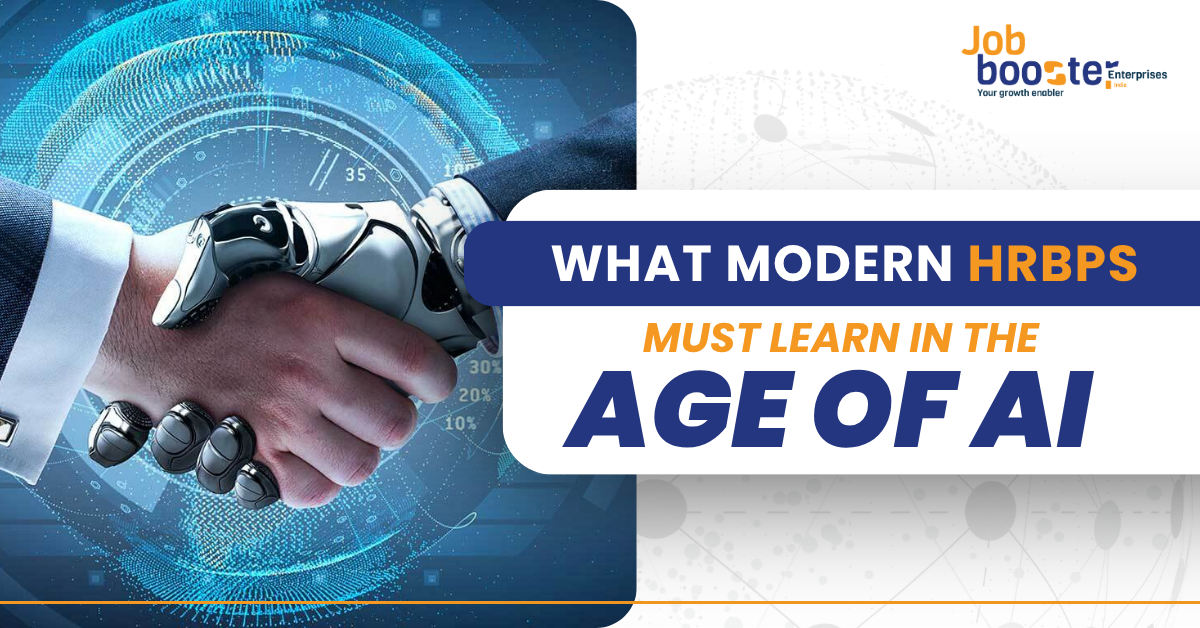
The HR Business Partner (HRBP) role is actively being reshaped by AI. HRBPs in many companies are stuck between the strategic workforce planning and operational queries, which is almost endless, like clarifications in policies, leave balances, and different documentations. HRBPs are swamped by the administrative demands while the business leaders expect the HR department to run the talent strategy, transformation in the culture, and also planning.
Nowadays HRBP’s don’t take care of operations alone, they are also involved in the expansion of the business. They are expected to take care of higher-level responsibilities like taking care of the business strategy, using the data to guide the decisions that are taken within the organisation, which helps them lead the people through the change. They are now called strategic partners, where they design the workforce instead of just supporting their managers.
HRBPs must upgrade a few skills in these AI-powered workplaces:
Administrative Firefighter to Strategic Business Partner: HRBPs are now the strategic partners are now the strategic partners and not just a department that takes care of the HR processes, but also people strategies. HRBPs now understand the revenue drivers, cost corrections, and other decisions that have an impact on the business. This transition is majorly supported by AI, which shifts the regular tasks like ticket resolution, screening of the resumes, and changes in the policy so that HRBPs can focus on the long-term workforce planning and organizational design. HRBP raised their bars by not only concentrating on HR processes but also shifting to people strategies.
HRBPs update themselves by developing data literacy and analytical skills. AI systems do generate insights into various activities like performance or employee engagement, but it is the HRBP who interprets the insights. HRBP's responsibility is to convert the data into actionable insights and recommendations for leadership.
HRBP closely collaborates with IT, legal, and security teams to establish frameworks for data privacy and security. They must use AI to ensure that there is no bias in any of the process like hiring, promotion, or performance tracking.
The implementation of AI by HRBP is not just technology; it brings an organizational change. HRBP is reponsible to communicate the changes or addressing any resistance to the leaders, and that comes only with strong influence. Without a great alignment with leadership, AI initiatives will fail to bring any change.
Balancing Technology with Human-Centered Leadership
Even though there is a growth in AI, there is also emotional intelligence that plays a major role in the HRBP sector. They need to be deeply human when they can see that there is a shift to the digital environment. HRBP is also expected to be empathetic, listening and need to take action within the organization to resolve any conflict. HRBP ensures that the employees are heard and respected when the organization brings a transition in the workforce or any performance issue.
AI- driven transformation brings changes in the roles, workflow, and also in the skills of the employees. HRBPs must bridge the gap between the process that needs to be implemented and how well the employees adapt. This process involves reskilling, clear communication of the strategies that bring changes, and coaching for all levels of employees so that the organization is ready to adapt to the changes with continuous learning.
AI tools such as sentiment analysis, pulse surveys, and feedback analytics help HRBPs identify the engagement trends. This technology helps to enhance the interaction within the organization and not replace it. HRBPs are responsible for having a meaningful conversation that helps build trust and belonging.
Furthermore, AI adoption also helps HRBPs to implement many ideas, which include showcasing wins, or encouraging when employees try some experimentation. This automation helps in repetitive administrative tasks and also increases credibility, which in turn helps the adoption. HRBP can focus on the strategic initiatives as the employees start using the self-service tools created using AI.
To stay relevant in today’s context, HRBPs are expected to continuously learn either through certification, workshops, or peer networks. They should be familiar with different AI-driven platforms, learning management systems, tools used for workforce planning, etc.
Ethical, Strategic, and Future-Ready HR Leadership
HRBP's role keeps evolving as we can see when AI keeps expanding. With the help of AI-driven insights, employee engagement will become more personalized. These help HRBPs to focus more on advisory and transformation since the HR functions become more automated.
HRBPs still have certain challenges, like bias or transparency, which should be addressed even though it is integrated with AI. HRBPs are accountable for explaining the algorithms that are actually aligned with the values of the organization. HRBPs are also responsible for not revealing employee data, but can use the results of the analytics for better decision-making.
AI will not replace HRBPs — but HRBPs who effectively integrate AI will replace those who do not adapt.
Conclusion: Building Future-Ready HRBPs at Job Booster Social India
Nowadays HRBPs combine AI for strategy, data literacy, and ethical awareness. At Job Booster India, we upskill ourselves through digital training, AI tool exposure, and workshops on AI practices that can be used in training or upskilling.
By implementing AI tools, HRBPs can focus on strategic workforce planning or impact that is sustainable. The future of HR is not just digital - it is strategic, ethical, and people-first.