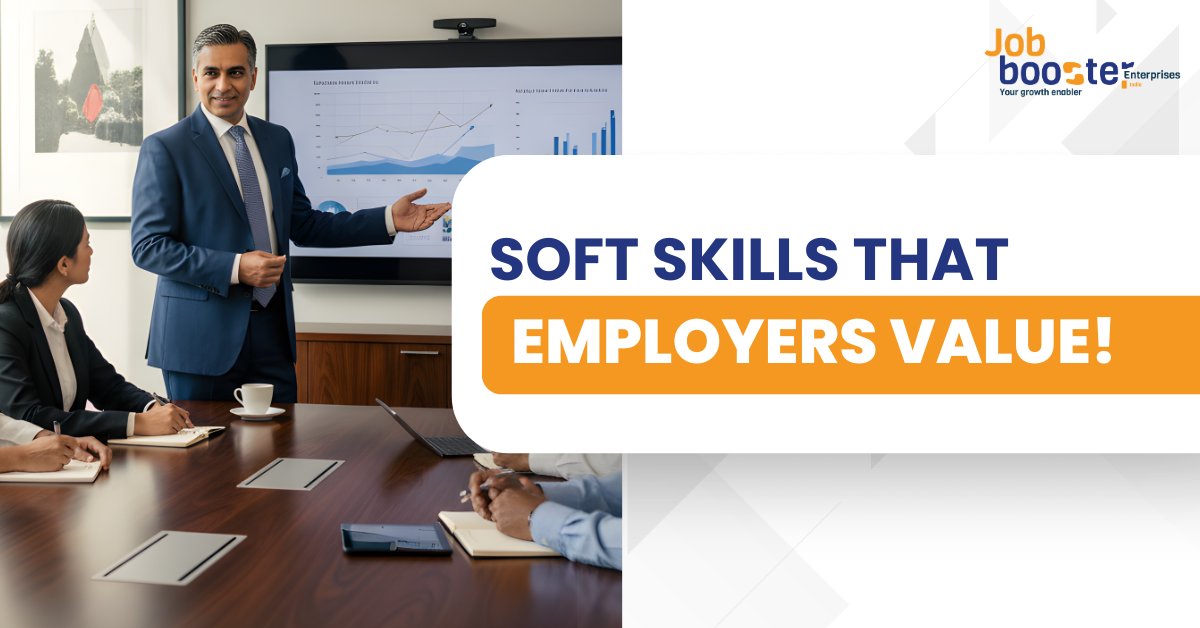
Many people believe that having tech skills is essential. There is more going on, though, if you look at those who actually succeed. They don’t just code or analyze data; they know how to work with people, talk things out, and handle things. That work matters just as much as the technical side.
Bosses want people who bring strong tech skills and can actually communicate and solve problems with others. It’s not just about building or fixing things. It’s about teaming up and actually getting work done.
The Importance of Soft Skills
Technology changes. Tools become outdated, processes are replaced, and you can always learn something new if you really need to. However, skills like how to manage stress, being adaptable, and working with others. Those things stay with you. They determine how you develop, how you lead, and the way you deal with change. And it’s not just a stereotype either, LinkedIn’s Global Talent Trends study showed that 92% of hiring managers believe soft skills are just as important as hard skills, sometimes even more important. Sure, hard or technical skills may get you in the door, but it’s the soft skills that will move you forward.
In a world that’s becoming ever more remote and automated, what is the difference maker for you? Your ability to connect, your ability to empathize, and your adaptability as a leader.
1. Communication
If someone cannot communicate well, it does not matter how smart they are; they will struggle. Meetings, presentations, and emails are clear contexts in all of them. Effective communicators are not only able to share their perspective clearly, but they can also listen and understand the perspective(s) of the person they are communicating with. And with so much of our work in an online world, it is even more critical to pay attention to your tone and clarity.
2. Teamwork
No one gets far alone. Even the star achievers of a particular work group need to collaborate with others to achieve true outcomes. Organizations seek out individuals who manage disagreements and lift teams.
Consider a data engineer as an example. Someone who works closely with the marketing and product teams to transform insights into business successes is far more important than someone who only does math on their own.
3. Adaptability
Currently, the only consistent thing at work may be change, which could consist of new tools, a new list of priorities, or sudden and unexpected obstacles. You need to be prepared to adapt. Being adaptable indicates that you are able to manage uncertainty, comfortably shift gears, and are willing to grow and learn.
4. Solutions Focused
Every role has challenges. The people who stand out don’t just see the challenges, they act on it and solve them. Solving challenges takes an observant mind, some smart entreated, and to be honest, a little creativity. When things go wrong, the best people aren’t discouraged. Although things are a bit hopeless, they take time to step in, absorb all the data, and make a decision.
5. Emotional Intelligence
Emotional intelligence (EQ) consists of knowing how you feel and being aware of how others feel; it encompasses self-awareness, empathy, and management of relationships away from difficult conversations. This makes a big difference, especially with clients or when you are leading.
6. Organization and Time Management
Deadlines are firm and will not stop while you locate your task list. However, if you are someone who can successfully manage your time and feel in control of your workload, you are exactly what every organization needs. Leaders want workers who can be organized, set priorities, and actually deliver, instead of just searching for ways to 'be done' sooner or skipping critical parts of their work. A reliable person in their ranks who reminds configurations of old.
7. Initiative and Leadership
Leadership does not have to be complicated job titles. Leadership is stepping up when the team requires it, taking on responsibility or potential consequences, and moving things in the right direction. Managers notice when someone proposes a better way of moving forward, takes on a combative role, or finds ways to support the leadership, even if there is no official leadership role. You may help train a new coworker or volunteer to take a scary project. That is real leadership.
The Balance of Soft and Hard Skills
Picture two candidates. One’s a tech expert but can’t work with others. The other’s got decent skills but communicates well and adapts fast. Most companies go for the second person because you can teach tech, but soft skills are tough to train and impossible to automate.
The best pros have both. A developer who explains their ideas clearly helps the whole team. A recruiter who listens and connects finds better people. A data analyst who can break down complex findings makes smarter strategies happen.
In short? Technical skills help you do your job. Soft skills help you shine at it. That’s what really sets you apart.
How to Develop and Display Soft Skills:
You can build soft skills if you put in the work. Here’s what helps -
Request for feedback - Simply approach your mentors or colleagues and ask what they sincerely think about your interpersonal work and communication.
Observe people - Pay attention to how effective leaders manage challenging situations or difficult conversations. Look for the nuances of behaviour that seem to work, and experiment with it yourself.
Stay inquisitive - sign up for a class on emotional intelligence, read a leadership development book, or go to a seminar/learning opportunity. There is always more to learn.
At Job Booster Social India, our mission goes beyond recruitment. Quite simply, we believe we can empower individuals with the mindset and skills to navigate every part of their careers. Through our work with many diverse pathways, we have learned that people who truly thrive at work combine technical knowledge and soft skills that may include, among several items, problem-solving, adaptability, and empathy. These qualities not only make candidates employable but also help organizations build stronger, more connected teams. We focus on building talent that’s both skilled and genuine. That’s how Job Booster Social India continues to strengthen the bridge between people, purpose, and performance.