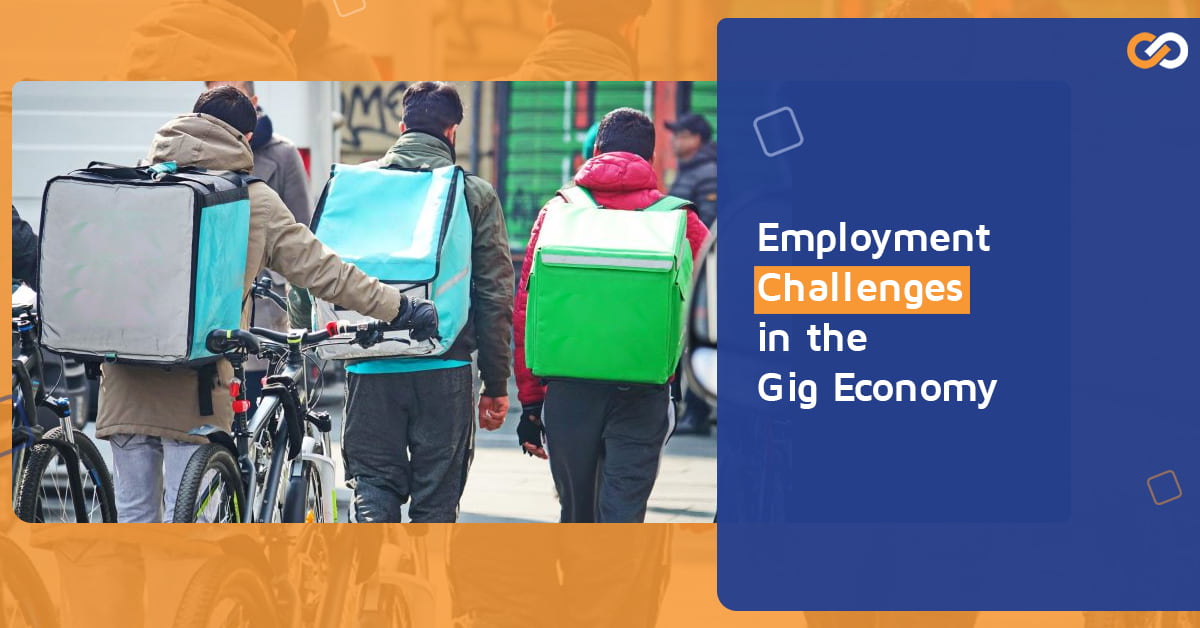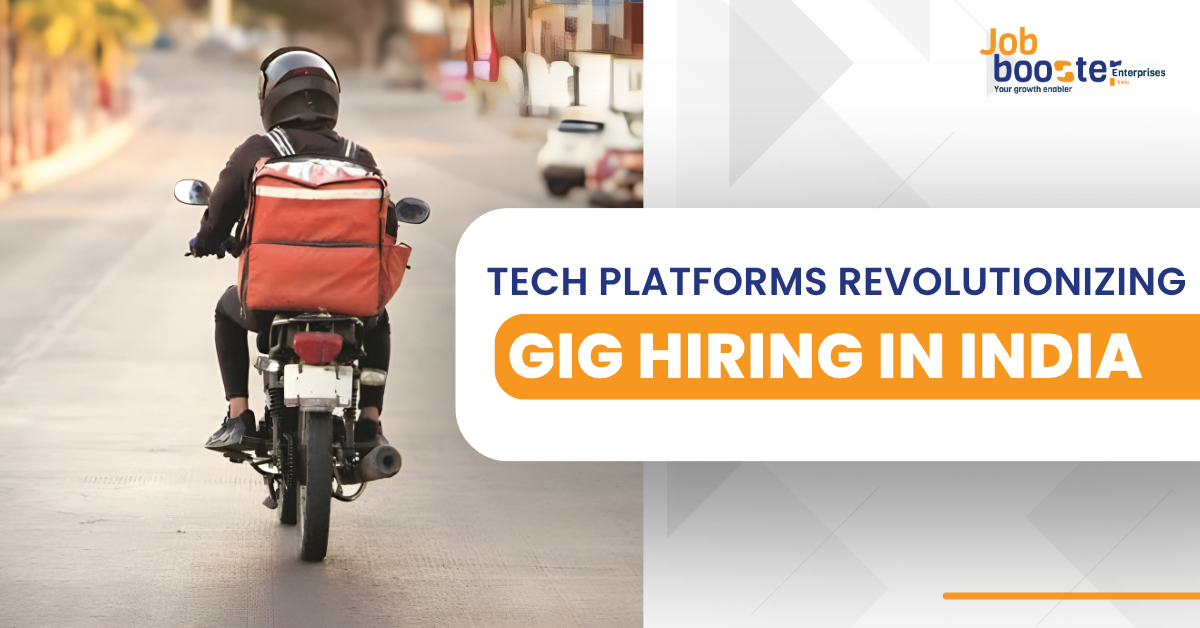
The gig economy is reshaping the work model by transforming traditional 9-to-5 jobs into a more flexible model. This is primarily helped by the tech-enabled world that is through digital platforms, apps, and AI-driven processes. In India, the gig hiring model is becoming evident and efficient in several industries.
Gig hiring includes delivery partners to designers, which is reshaping the entire workforce in the industry. This benefits both the companies and the individuals by bringing a choice to both sides. This evolution is possible only because of the technology platforms that make this space easier for different opportunities.
The Digital Transformation of Recruitment
AI has been integrated into the hiring platforms, which has significantly replaced the manual process. Nowadays, conducting job fairs, collecting resumes, scheduling interviews for shortlisted candidates, and then onboarding them are made easy with the help of AI. This digital platform has impacted gig work tremendously since this helps select a candidate quickly. Freelancers and service partners are available throughout the year for platforms like Upwork, Urban Company, and Swiggy
The Rise of the Gig Economy
By 2029-2030 in India, there would be around 23.5 million gig workers who are categorised in skilled, semi-skilled, and unskilled, and this was predicted by NITI Aayog. Gig work is beneficial for the workers because they have the freedom and also different income streams, and while companies benefit from not over-staffing and are flexible in workspace.
Indian’s young and digital-savvy workforce drives this gig work through the usage of smartphones and payment apps. This has become a cornerstone for India since both parties are adapting this culture quickly.
How Tech Platforms Are Driving Change
1. Broader Access to Talent
Geographical barriers are removed completely because of the digital platforms. For instance, a software tester in India can collaborate with a company in some other country, or a beautician in Bengaluru can receive bookings through different apps. These apps are helping gig workers to work borderless and completely merit-based.
2. Automation for Speed and Accuracy
Software that helps in recruitment saves time and also helps in reducing human error. It helps in doing repetitive tasks like screening the resumes, ID verification, and processing the payment. Demand and supply are met in real time in the gig platforms by automated matches, apps like Uber and Swiggy.
3. AI-Driven Hiring Decisions
It’s easy to analyze profiles nowadays based on the JD that the company provides. AI makes it easy by comparing work history and skill sets, even when there are lots of applicants. This also avoids or minimizes bias or helps the recruiter or team to take a fairer opportunity. These AI chatbots also help candidates to interact easily, and the necessary information is shared easily.
4. Mobile-First Ecosystems
India’s gig revolution is mobile-led. Through different apps, gig workers receive their tasks from the company, and they can easily communicate and also receive payments instantly through the integrated wallets or apps. This is done easily, mainly because of the cloud-based systems, which help the gig workers to access from anywhere, and this, in turn, helps the growth of remote or hybrid work.
5. Seamless Communication and Collaboration
To coordinate between the clients and gig workers, platforms like Zoom, Slack, and Teams help a lot, and also to complete the tasks. These platforms help in communicating in real time and ensuring productivity and trust.
Emerging Trends in Gig Hiring
-
Remote-First Recruitment –Gig workers across the world are hired and onboarded virtually through cloud collaboration.
-
Skill-Based Opportunities –Self-taught professionals and practical skills are being prioritized over those with formal degrees.
-
AI and Automation Integration –AI and automation have helped make screening, scheduling easier through the support of algorithms, predictive analytics, and chatbots.
-
Worker Well-Being Focus –The deserving candidates or talents are retained by encouraging them with incentives, counselling sessions, and by having a transparent rating system.
-
Hybrid Workforce Models – Using tech platforms, nowadays organizations have started blending the permanent and gig roles for workforce agility.
The Challenges Ahead
Despite progress, challenges persist:
-
Social security or the benefits are some questionable facts in the case of gig workers when compared to a full-time job.
-
There might be an algorithmic bias while hiring a digital system.
-
There will be a question on the financial stability since there is an unstable income.
There is a need for policymakers, digital platforms, and social enterprises to build a sustainable work environment because of the above issues.
The Road Ahead
AI, machine learning, and predictive analytics are making it easier for workers and employers to find the right source to complete the task. Partnerships will be focused more on the recruitment process than the transactions, and we can also see a continuous engagement. This will make the HR recruiters and leaders reshape the talent strategies because now they need to integrate the gig roles into mainstream workforce planning. This shows that the gig workers need to upskill frequently and also to stay relevant. The growth of gig work is enormous since India has grown in the digital infrastructure and also has a talent pool.
In Conclusion
Technology has revolutionized the gig hiring model. Gig workers have access to grow efficiently through the digital platforms which helps them to empower. This also brings more opportunity to learn, to grow, and to be flexible. The success of this gig economy fully depends on the collaboration between the technology and organizations that run with a purpose.
At Job Booster, we connect the right talent with our clients and also empower students and candidates by giving them training, skilling, and helping with placement, which in turn helps them grow in their livelihood. We could measure the real impact of individuals and families through the growing trend.
Job Booster will continue to grow and learn about the future trends that make the space more flexible, inclusive, and especially driven by innovation!